
How to Plant Vegetables in Early Spring
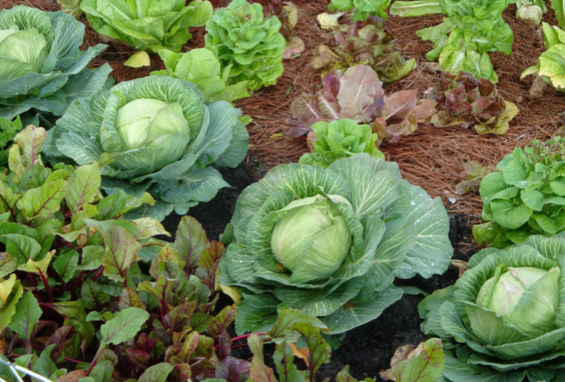
Early spring is the time to start planting vegetables like lettuce, peas, spinach
and broccoli. While nighttime and even some daytime frost is still in the weather reports, these vegetables prefer cool weather and don’t mind a light frost. You must remain on your guard for hard frost and act accordingly to protect your plants, but otherwise early spring crops’ requirements are much the same as those of later growing vegetables. If you can’t wait to get in the garden, include early spring vegetables in your gardening plans.
Step 1
Work the vegetable beds in autumn before the ground freezes. Remove all dead vegetation and work fresh compost into the soil. Cover with a 4-inch layer of straw mulch to speed ground thawing in the spring.
Step 2
Remove the mulch once daytime temperatures are above freezing in spring. Dig to a 10-inch depth to check that the soil is thawed all the way and there are no ice crystals still present. Commence planting once the soil is thawed.
Step 3
Sow the vegetable seeds directly in the garden following package instructions for each particular variety. Generally, seeds are sown to a depth twice that of their height with fine seeds being sown directly on the soil surface and covered with a quarter-inch layer of soil.
Step 4
Water after planting and keep the soil moist at all times during the growing period. Use a mister attachment on your garden hose to avoid washing away the seeds or dislodging seedlings.
Step 5
Cover the plants with an upside-down bucket, cloche or other protective covering if frost is predicted. Use coverings that do not touch the plants because they will damage them. Remove the covering as soon as the temperature warms or the plants will cook under the covering.
Step 6
Fertilize each plant with a general purpose fertilizer four weeks after they sprout to encourage crop production. Follow fertilization recommendations for each plant type thereafter.
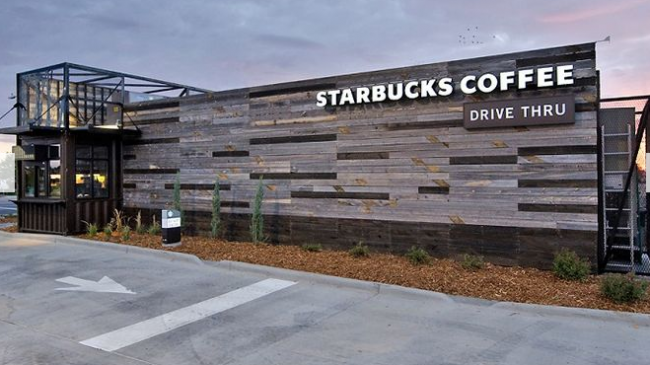
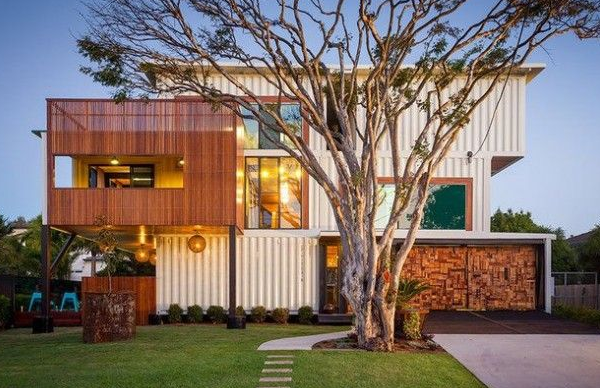
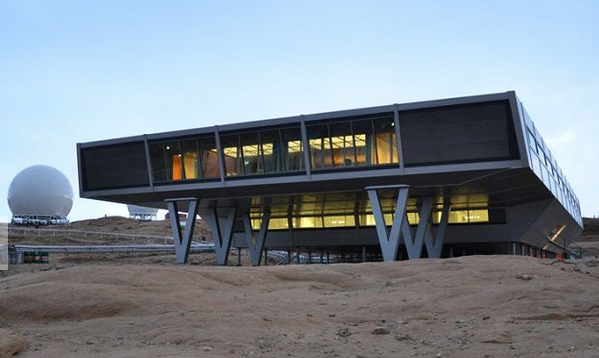 At this moment, there are more than 17 million steel intermodal shipping containers floating or riding across the globe—rectangular, bland engines of global commerce filled with anything and everything you can imagine. While there’s a certain fascination with all these small links in the global supply chain slowly making their way around the world—each identified with its own ISO 6346 number, an odd commercial shorthand—here at Dwell, we’re even more amazed by what happens when the trip ends and reconstruction and reuse begin. We’ve previously collected incredible examples of what intrepid architects and designers have done with these structures; here are ten more recent projects that give these 20-foot-long steel rectangles a second life.




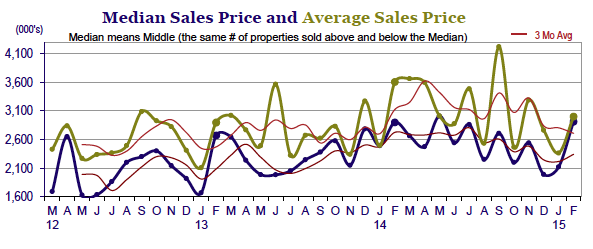
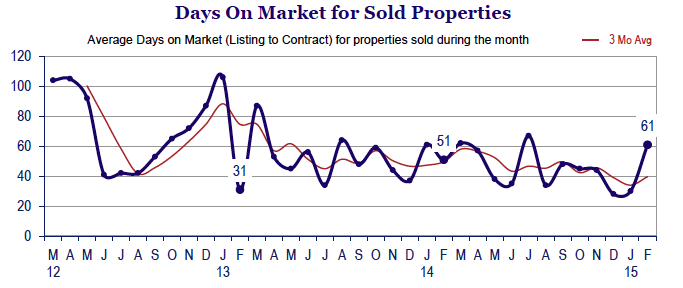
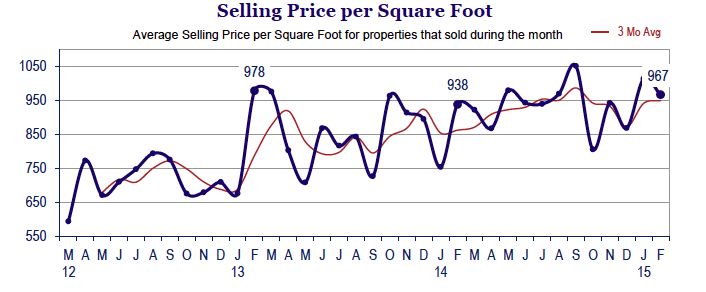
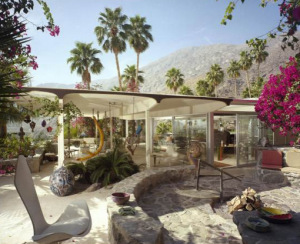 For its 10th anniversary, Palm Springs Modernism Week—an 11-day event that started February 12 that paid tribute to the area’s distinctive midcentury art, architecture, and design—introducing dining events, adding additional neighborhood tours, and launching a commemorative book that explores the history of retro-futuristic style throughout the Mojave Desert.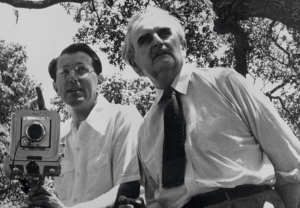
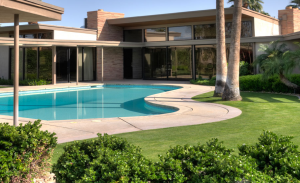 Later in the week, a sold-out, five-course dinner by chef Steven Fretz of West Hollywood’s eclectic the






 As the recipient of
  There are a few people we need to thank tonight for bringing about this grand event. Neil Portnow, Dana Tamarkin, Rob Light, Brian Greenbaum, Don Was. And I also want to thank President Carter for coming. It’s been a long night, and I don’t want to talk too much, but I’ll say a few things.